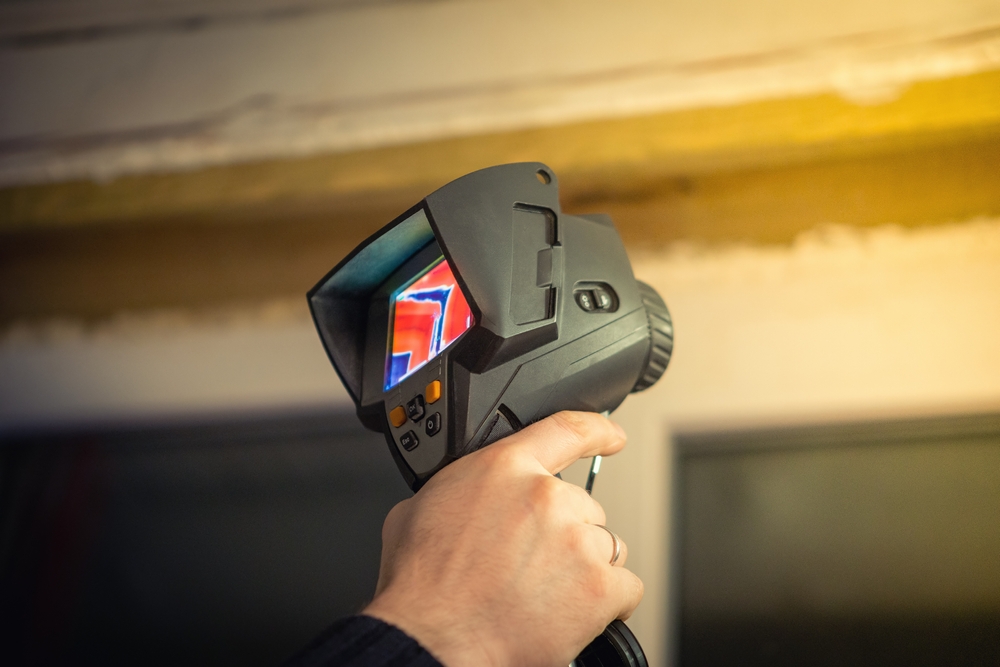
Core drilling is a routine part of many construction, renovation, plumbing, electrical, mechanical, and infrastructure projects. Contractors use core drills to create precise openings in concrete floors, walls, ceilings, columns, and other structural components. These openings may be needed to install electrical conduits, plumbing lines, HVAC systems, fire protection equipment, communication cables, anchors, and other building components.
While core drilling may appear straightforward, drilling into concrete without knowing what is hidden inside can create serious safety and structural risks. Concrete slabs and walls often contain rebar, electrical conduits, water lines, post-tension cables, communication systems, and other embedded objects that cannot be seen from the surface.
Striking one of these objects can cause worker injuries, equipment damage, utility outages, expensive repairs, construction delays, and structural problems.
That is why concrete scanning before core drilling is such an important part of responsible project planning.
Professional concrete scanning uses specialized equipment, including ground penetrating radar, to evaluate the area before drilling begins. The information gathered during the scan helps contractors select safer drilling locations, reduce uncertainty, and move forward with greater confidence.
ACS Underground Solutions provides professional concrete imaging and scanning services throughout Connecticut, New York, New Jersey, Massachusetts, and Rhode Island. The company uses high-resolution ground penetrating radar to help locate embedded objects before concrete is drilled, cut, or cored.
What Is Concrete Scanning?
Concrete scanning is a non-destructive inspection method used to identify objects and potential anomalies beneath the surface of concrete. A trained technician moves specialized scanning equipment across the accessible surface and analyzes the signals returned from within the material.
Ground penetrating radar, commonly called GPR, is one of the most widely used technologies for concrete scanning. GPR sends electromagnetic signals into the concrete and records reflections created by changes in material properties.
These reflections may indicate the presence of:
- Reinforcing steel
- Post-tension cables
- Pre-tension cables
- Electrical conduits
- Metallic and nonmetallic pipes
- Wire mesh
- Communication lines
- Radiant heating components
- Voids or unusual conditions
- Changes in slab thickness
Concrete scanning does not require the concrete to be opened or damaged during the initial inspection. This makes it a valuable tool for active facilities, occupied buildings, historic structures, industrial properties, hospitals, universities, transportation facilities, and construction sites.
The information collected can be marked directly on the surface or incorporated into the project’s planning process so that the drilling team can avoid identified obstructions.
Why Concrete Scanning Before Core Drilling Matters
The exterior of a concrete slab provides very little information about what may be embedded inside it. Even when drawings are available, the actual placement of reinforcing steel, conduits, and other components may differ from the plans.
Buildings are also modified over time. New electrical systems, plumbing lines, communication cables, or repairs may have been installed without being fully reflected in the original construction documents.
Scanning provides current, site-specific information about the drilling area. It allows project managers and contractors to make decisions based on field conditions instead of relying entirely on assumptions or outdated plans.
Here are the primary reasons concrete scanning should be completed before core drilling.
1. Reduce the Risk of Striking Electrical Conduits
Electrical conduits are among the most dangerous objects that a core drill can encounter. A drill bit that contacts a live electrical line may expose workers to electrical shock, burns, fire, or arc-flash hazards.
The damage can also interrupt power to critical areas of a building. In a hospital, university, manufacturing facility, office building, or data center, even a short electrical interruption can have significant consequences.
Repairing a damaged conduit may require opening a larger section of concrete, shutting down electrical systems, replacing wiring, and coordinating additional trades. What began as a single core opening can quickly become a costly emergency.
GPR concrete scanning helps identify possible conduits within the planned drilling area. The drilling location can then be moved when necessary to reduce the risk of contact.
2. Protect Post-Tension Cables
Post-tensioned concrete contains steel tendons that are placed under significant tension to strengthen the structure. These cables are commonly used in parking garages, high-rise buildings, bridges, foundations, and large concrete slabs.
Cutting a post-tension cable can be extremely hazardous. Because the cable is under tension, a sudden release of energy may cause the cable or nearby material to move violently. Damage may also affect the performance and integrity of the slab.
Repairs involving post-tension systems can require specialized engineering, equipment, and contractors. The affected area may need to be closed while the condition is evaluated and corrected.
Concrete scanning can help identify the location and pattern of post-tension cables before core drilling begins. Contractors can use those findings to select a drilling location that avoids the detected tendons.
3. Avoid Damage to Rebar and Structural Reinforcement
Rebar strengthens concrete and helps it resist tensile forces. Its placement is based on structural requirements, which means cutting through reinforcing steel without proper authorization may affect the performance of the concrete component.
Accidentally striking rebar can also damage core-drilling equipment, slow production, and require the hole to be relocated. If reinforcement is cut, a structural engineer may need to evaluate the damage and recommend repairs.
Not every piece of reinforcing steel can or should be avoided in every project. In some situations, drilling through rebar may be specifically reviewed and approved by an engineer. The key is that the decision should be informed and intentional.
Concrete scanning helps map the approximate location of reinforcement before drilling. Project teams can then determine whether the planned opening should be moved or reviewed by a qualified structural professional.
4. Prevent Damage to Plumbing and Water Lines
Concrete floors and walls may conceal domestic water lines, heating pipes, drainage systems, sprinkler piping, and other plumbing components. Striking a pressurized water line can quickly flood the work area and damage surrounding materials, equipment, furnishings, and occupied spaces.
Water damage may extend well beyond the original drilling area. It can affect finished ceilings, flooring, electrical components, elevators, offices, retail spaces, or residential units on lower floors.
Emergency water shutoffs and repairs may also interrupt building operations.
Scanning the concrete before drilling can help identify possible piping and allow the contractor to adjust the core location. This relatively small planning step may prevent extensive water damage and disruption.
5. Improve Worker and Occupant Safety
The most important reason to scan concrete before core drilling is safety.
Hidden hazards can expose drill operators and nearby workers to electrical energy, pressurized water, released tension, flying debris, damaged equipment, and unexpected structural conditions. If the project is taking place in an occupied building, employees, residents, students, patients, customers, or visitors may also be affected.
Concrete scanning does not eliminate every construction risk, but it provides information that supports safer planning. It helps the drilling contractor understand the area and identify locations that may require additional precautions.
A safer worksite also supports better coordination among general contractors, engineers, building owners, facility managers, and specialty trades.
6. Minimize Expensive Repairs
The cost of concrete scanning is usually small compared with the potential cost of repairing damaged infrastructure.
An accidental strike may lead to:
- Electrical repairs
- Plumbing repairs
- Structural engineering reviews
- Post-tension cable repairs
- Concrete demolition and restoration
- Equipment replacement
- Water remediation
- Temporary utility shutdowns
- Overtime labor
- Emergency service calls
- Damage to finished spaces
- Claims or contractual disputes
The project may also incur indirect costs. Crews may remain idle while the problem is investigated, other trades may be unable to proceed, and the completion schedule may have to be revised.
Concrete scanning before core drilling is a proactive form of risk management. It helps address potential conflicts before they turn into expensive incidents.
7. Reduce Construction Delays
Unexpected conditions are one of the most common causes of construction delays. When a core drill strikes an embedded object, work often stops immediately.
The team must determine what was hit, whether the area is safe, how the damage should be repaired, and whether the drilling plan needs to change. Engineers, electricians, plumbers, building managers, or utility representatives may need to be contacted.
Even if no serious damage occurs, repeatedly encountering rebar or other obstructions can make core drilling inefficient.
Concrete imaging allows potential conflicts to be identified during the planning stage. Drilling points can be selected and marked before the drilling crew begins, helping work proceed more efficiently.
8. Protect Core-Drilling Equipment
Core-drilling equipment is designed for demanding work, but contact with unexpected embedded materials can damage drill bits, motors, stands, and other components.
A bit that encounters heavy reinforcement or another obstruction may bind, wear prematurely, or become damaged. Sudden resistance can also create additional hazards for the operator.
Knowing where embedded objects are located helps contractors plan their work, choose appropriate equipment, and reduce unnecessary wear. Better information can lead to more predictable drilling and fewer equipment-related delays.
9. Preserve the Integrity of the Concrete
Every opening in a concrete element should be carefully planned. A poorly located core hole may interfere with reinforcement, create cracking, weaken an important area, or conflict with another building system.
Concrete scanning helps project teams understand the arrangement of embedded elements before altering the structure. This is particularly important when drilling through:
- Structural slabs
- Load-bearing walls
- Columns
- Beams
- Parking decks
- Bridges
- Balconies
- Roof decks
- Foundations
- Tunnels
- Pylons
ACS Underground Solutions can inspect concrete floors, ceilings, walls, columns, beams, roofs, decks, slabs, bridges, tunnels, and other concrete components using high-resolution GPR. Its scanning services are designed to help reduce damage while preserving the structural integrity of the concrete.
How Ground Penetrating Radar Scans Concrete
GPR equipment includes an antenna that transmits electromagnetic energy into the concrete. When the signal encounters an object or a change in material, part of the energy reflects toward the equipment.
The technician interprets the resulting data to identify patterns that may represent rebar, conduits, cables, pipes, voids, or other features.
The scanning process typically includes the following steps:
Review the Project Requirements
The technician discusses the planned work, including the number and approximate size of the openings, the desired drilling locations, the thickness of the concrete, and the areas that are accessible.
Plans, photographs, previous reports, and other available information may also be reviewed.
Inspect the Work Area
The technician evaluates the condition of the concrete and confirms that the scanning equipment can access the required surface.
Furniture, stored materials, floor coverings, coatings, or equipment may need to be moved so the scanner can pass directly over the concrete.
Scan in Multiple Directions
The target area is generally scanned in a grid pattern and from more than one direction. This helps the technician identify the direction and spacing of embedded features.
Interpret the Data
GPR findings require professional interpretation. The equipment does not produce a conventional photograph of the interior of the concrete. The technician analyzes signal patterns and site conditions to form conclusions about what may be present.
Mark the Surface
Detected objects and recommended clear areas may be marked on the concrete using chalk, tape, paint, or another project-approved method. The drilling contractor can use these markings when positioning the equipment.
When Should Concrete Be Scanned?
Concrete should be scanned whenever drilling, cutting, sawing, coring, or anchoring could encounter unknown embedded objects.
Common applications include:
- Installing plumbing lines
- Routing electrical conduits
- Adding HVAC components
- Installing fire sprinkler systems
- Creating floor penetrations
- Mounting heavy equipment
- Installing handrails or safety barriers
- Cutting trenches into slabs
- Renovating commercial interiors
- Upgrading telecommunications systems
- Installing drains
- Modifying industrial facilities
- Performing bridge or parking-garage repairs
- Completing structural testing
- Adding mechanical penetrations
Scanning is valuable in both old and new buildings. Older structures may have incomplete records and undocumented modifications. Newer buildings may contain densely arranged reinforcement, post-tension systems, and multiple utility networks.
Are Building Plans Enough?
Building plans are useful, but they should not automatically be treated as a perfect representation of current conditions.
During construction, an installer may adjust the route of a conduit or pipe because of field conditions. Renovations may add new systems that were never incorporated into the original plans. Measurements may also have been taken from a reference point that is no longer visible.
Plans can support the scanning process by providing context, but on-site concrete imaging helps verify conditions in the specific area where drilling is proposed.
The safest approach is to combine available documentation, professional scanning, contractor experience, engineering guidance, and appropriate jobsite procedures.
Concrete Scanning Versus X-Ray Imaging
Both GPR and radiographic imaging may be used to evaluate concrete, but they work differently.
GPR is often selected because it can typically be performed from one accessible side of the concrete and does not use ionizing radiation. It can also provide immediate data that a trained technician can interpret on-site.
X-ray imaging may produce detailed information in certain applications, but it generally requires access to both sides of the concrete. Because radiation is involved, the surrounding area may need to be evacuated or controlled during the inspection.
The appropriate method depends on the structure, access, project requirements, desired information, and site conditions. A qualified concrete imaging provider can help determine the most practical approach.
What Can Affect Concrete Scanning Results?
Concrete scanning is highly valuable, but results can be influenced by site-specific factors.
These may include:
- Concrete thickness
- Moisture content
- Density and spacing of reinforcement
- Surface conditions
- Accessibility
- Multiple layers of embedded objects
- Metal decking beneath the slab
- Concrete composition
- The type and size of the target
- Interference from nearby materials
This is why technician training and experience matter. A knowledgeable technician considers the equipment data together with the construction environment, the project objectives, and the available documentation.
Concrete scanning should be viewed as part of a complete safety and planning process. It does not replace engineering review, utility shutdown procedures, personal protective equipment, permits, or other required controls.
Why Choose ACS Underground Solutions?
ACS Underground Solutions is a family-owned consulting company with decades of experience in utility locating, leak detection, concrete imaging, and related inspection services. The company works with engineering firms, construction companies, municipalities, universities, architectural practices, state and federal sites, and private property owners.
More than 80 percent of ACS Underground Solutions’ work comes from existing clients, while much of the remaining work comes from referrals. Its field technicians hold training and certifications that include OSHA, confined-space entry, TWIC, mass-transit safety, New Jersey Transit safety, and Connecticut Department of Transportation safety credentials. Learn more about ACS Underground Solutions.
ACS Underground Solutions uses high-resolution GPR to help locate both metallic and nonmetallic objects, including rebar, pipes, conduits, mesh, post-tension cables, and pre-tension cables. The company can also evaluate slab thickness and possible voids.
Services are available throughout Connecticut, New York, New Jersey, Massachusetts, and Rhode Island. ACS is available 24 hours a day to help clients plan projects, respond to urgent situations, and obtain the information needed to work more safely.
Frequently Asked Questions
1. Why should concrete be scanned before core drilling?
Concrete should be scanned before core drilling to help identify hidden rebar, electrical conduits, pipes, post-tension cables, and other embedded objects. Locating these features can reduce safety risks, prevent damage, and help avoid costly repairs and delays.
2. Can ground penetrating radar detect rebar in concrete?
Yes. Ground penetrating radar can help identify the location and pattern of rebar within concrete. Results depend on factors such as slab thickness, reinforcement density, concrete conditions, and equipment access.
3. Can concrete scanning locate electrical conduits?
Concrete scanning may locate electrical conduits embedded in slabs and walls, including some metallic and nonmetallic components. Because site conditions vary, scanning should be combined with proper electrical safety procedures and other available project information.
4. How long does concrete scanning take?
The time required depends on the size of the area, the number of proposed drilling locations, surface accessibility, concrete conditions, and the complexity of the embedded objects. Providing plans, photographs, and drilling requirements in advance can help make the site visit more efficient.
5. Does concrete scanning damage the concrete?
GPR concrete scanning is non-destructive. The equipment evaluates the concrete from the accessible surface without drilling exploratory holes or removing sections of the slab. Once the scan is complete, detected objects can be marked to help guide the core-drilling team.
Scan Before You Drill
Core drilling without first investigating the concrete can expose your project to unnecessary risks. A single accidental strike may cause an injury, interrupt essential utilities, damage the structure, destroy equipment, and delay multiple trades.
Concrete scanning before core drilling gives contractors and property owners a clearer understanding of what may be hidden beneath the surface. It helps locate rebar, conduits, pipes, post-tension cables, and other embedded features so drilling locations can be planned more carefully.
Before drilling, cutting, or coring through a concrete floor, wall, ceiling, column, beam, or slab, contact ACS Underground Solutions for professional concrete imaging.
Call 203-544-7190 or request a quote from ACS Underground Solutions to schedule concrete scanning services in Connecticut, New York, New Jersey, Massachusetts, or Rhode Island.